(c) Images Courtesy of the Leon Levy Dead Sea Scrolls Digital Library. Photo, Shai Halevi. www.deadseascrolls.org.il
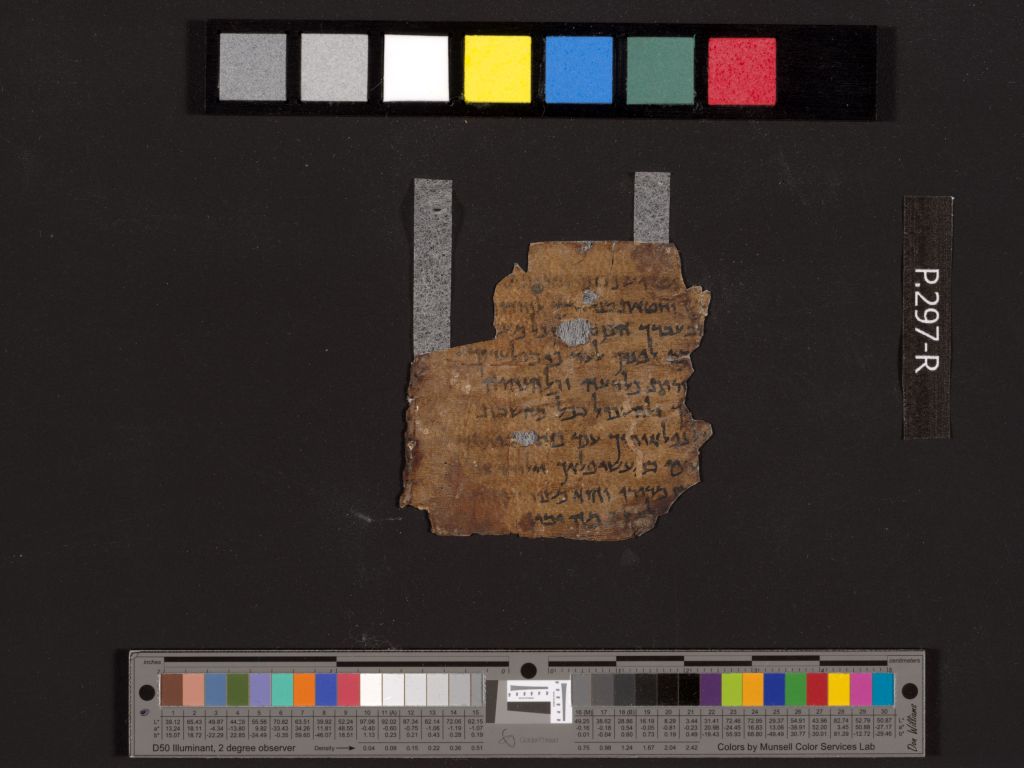
Thirteen copies of the Community Rule have been discovered among the Dead Sea Scrolls, with the most complete version—nearly the entire composition—found in Cave 1. Also known as the “Manual of Discipline,” this text outlines the religious principles, codes of justice, and behavioral standards for community members. It details entry requirements, views on predestination, organizational structure, and the practicalities of daily life. The document refers to the community by the Hebrew name Yahad, meaning “together” or “community.”
The Community Rule exists in two versions: a longer and a shorter text. Scholars continue to debate the community’s identity. Many features in the ancient historian Josephus’ description of the Essenes align with the Yahad described here, particularly the three-year initiation process mentioned in both the Community Rule and the Damascus Document. Yet other characteristics don’t match.
These discrepancies have sparked different interpretations. Some scholars view them as varying perspectives on the same group, while others suggest the Yahad was an Essene subgroup or an entirely separate movement. Some scholars argue there is no connection at all between the Dead Sea Scrolls community and the Essenes.
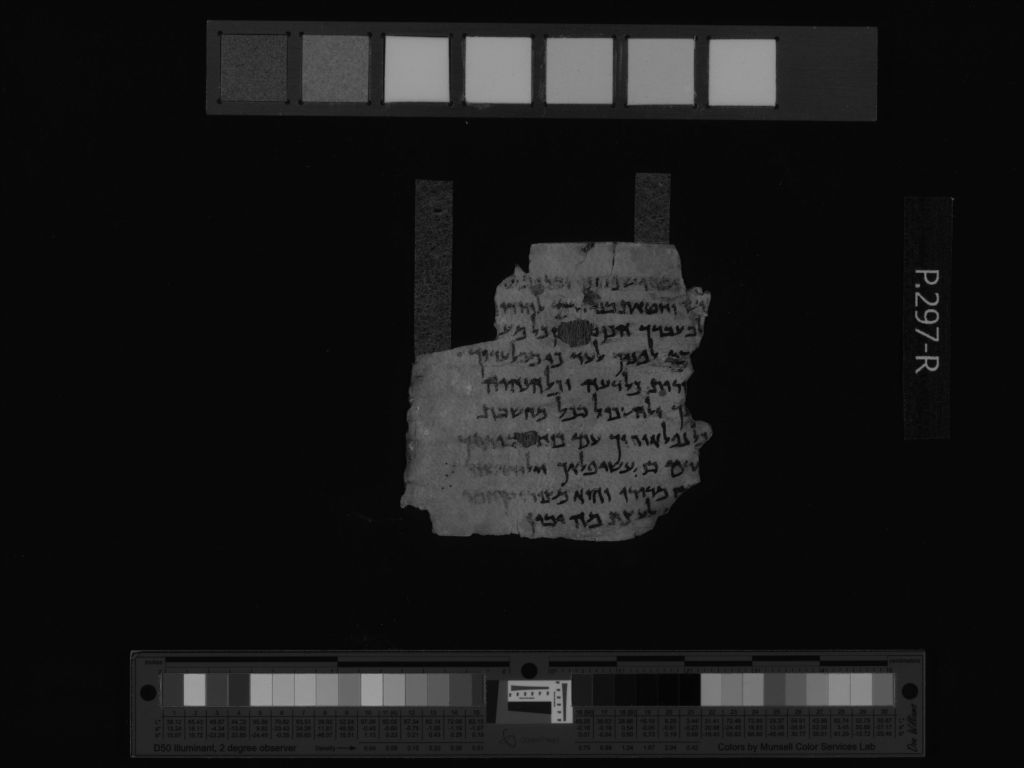
An interesting scribal detail: the copyist attempted to justify the right margin by occasionally compressing words at line endings.
Detail Translation
1 [. . . he will judge me in the justice] of his truth, and in his plentiful goodness
2 [always atone for all my sins; in his justice he will cleanse me from the uncleanness] of the human being, and from the sin of the sons of man, so that I can extol
3 [God for his justice and The Highest for his majesty. Blessed be you, my God, who opens] the heart of your servant [to knowledge!] Establish all his deeds in justice,
4 [and raise up the son of your handmaid] to be everlastingly in your presence, [as you have cared for the selected ones of humankind.] For beyond you
5 [ there is no perfect path, and without your will, nothing comes to be. You have ta]ught all knowledge, and all that exists
6 [ is so by your will. Beyond you there is no-one to oppose your counsel,] to understand one of your holy
7 [ thoughts, to gaze into the abyss of your mysteries, to fathom all] your marvels or the strength of your might.
8 [Who can tolerate your glory? What, indeed, is man,] among all your
marvelous deeds? The one born of woman
9 [ as what will he be considered in your presence? Shaped from dust has he been, maggots’ food] shall be his dwelling; he is spat saliva,
10 [moulded clay, and for dust his longing. What will the clay reply and the one shaped by hand?] And what advice will he be able to understand?
[xxx] = restoration of missing text based on other versions of the same text or scholarly research
LORD = the Tetragrammaton, the four-letter name of God in the Hebrew Bible
 Dead Sea Scrolls: The Exhibition at museum of the bible - Nov. 22, 2025-Sep. 6, 2026