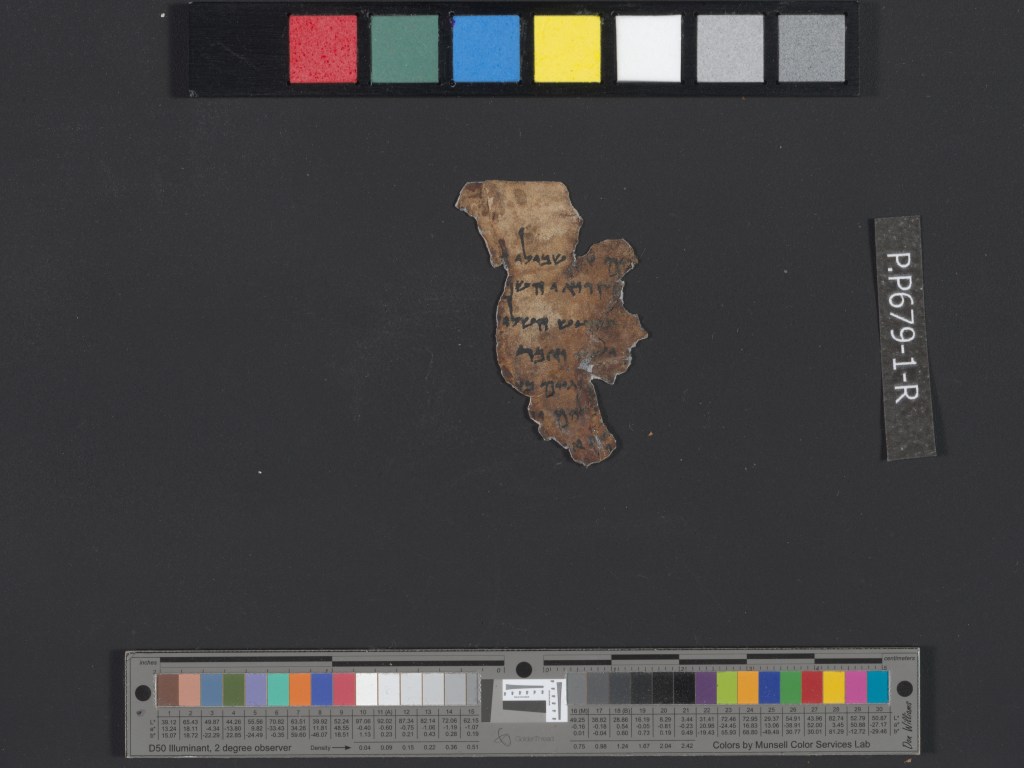
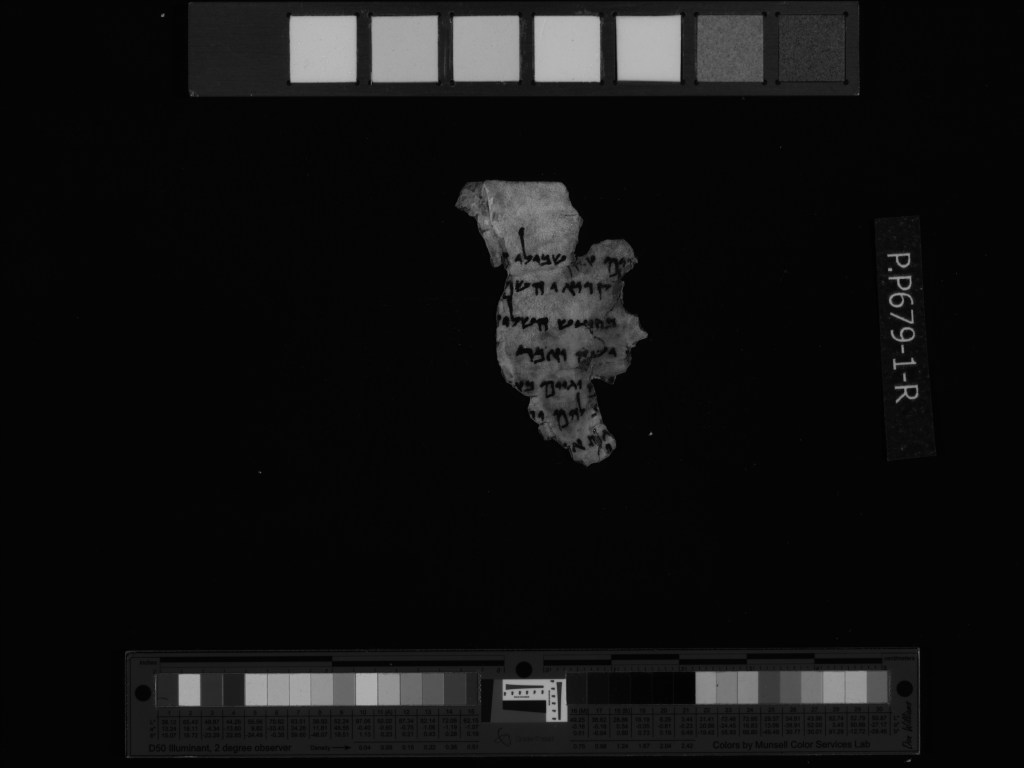
(c) Images Courtesy of the Leon Levy Dead Sea Scrolls Digital Library. Photo, Shai Halevi. www.deadseascrolls.org.il
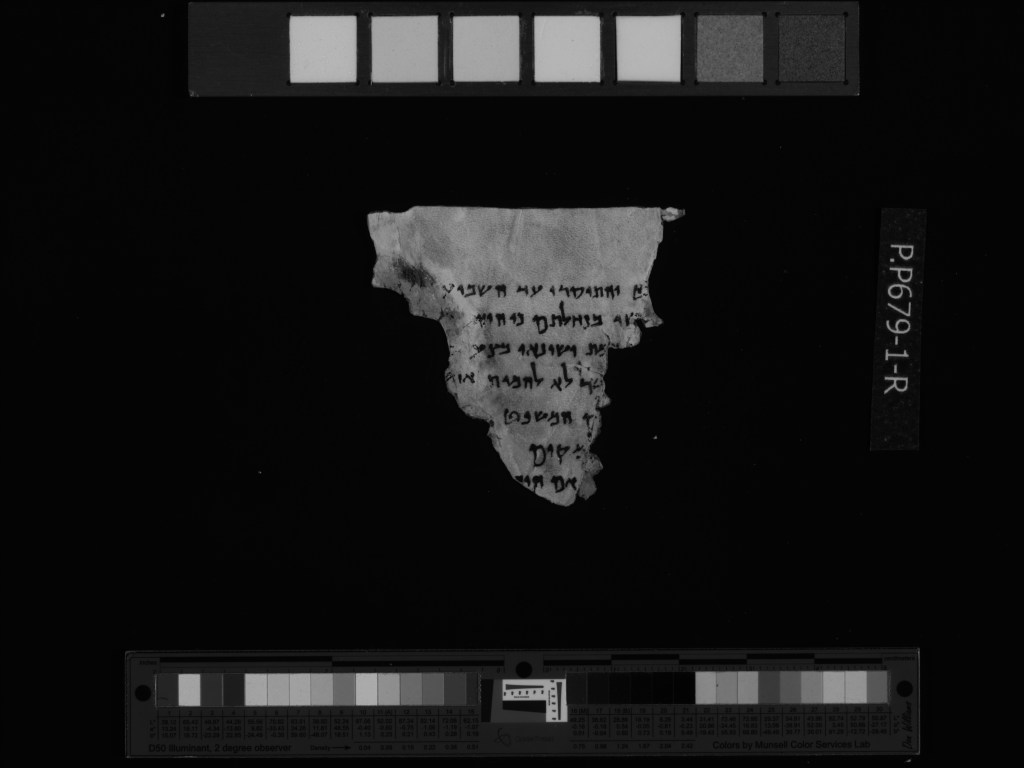
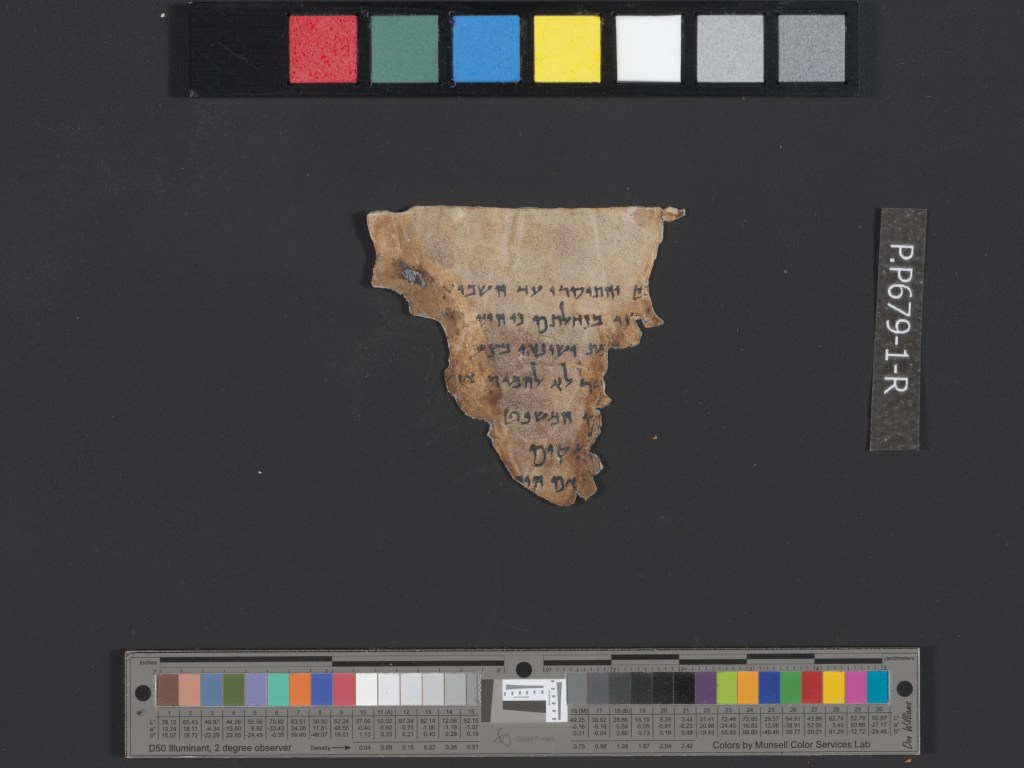
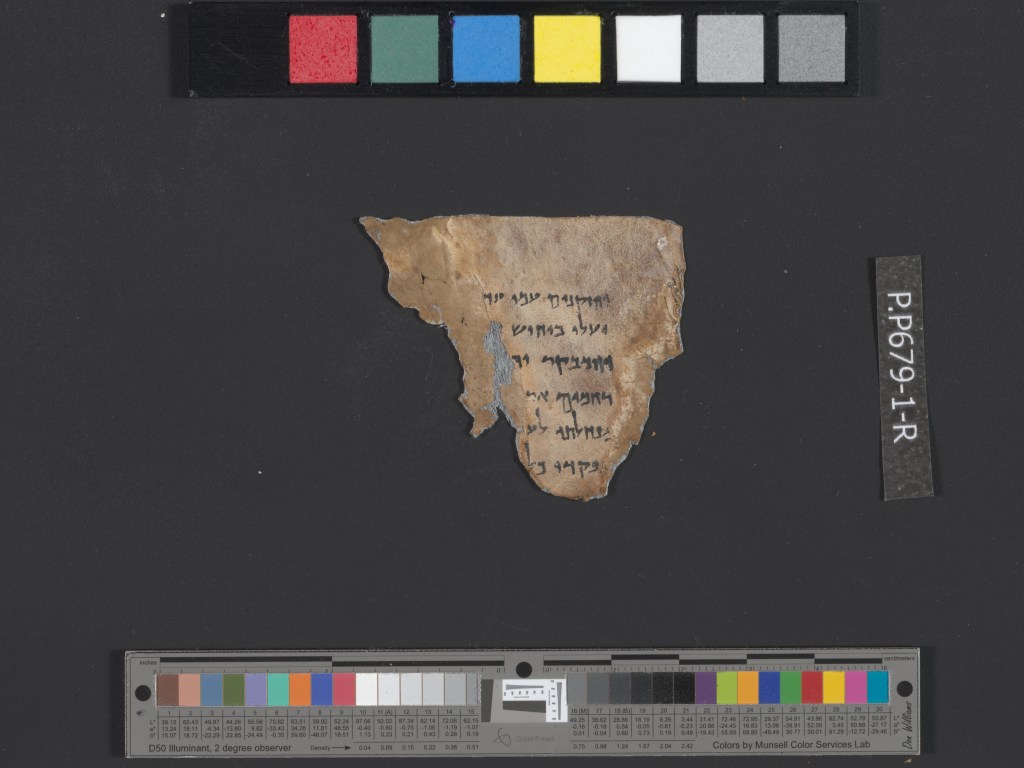
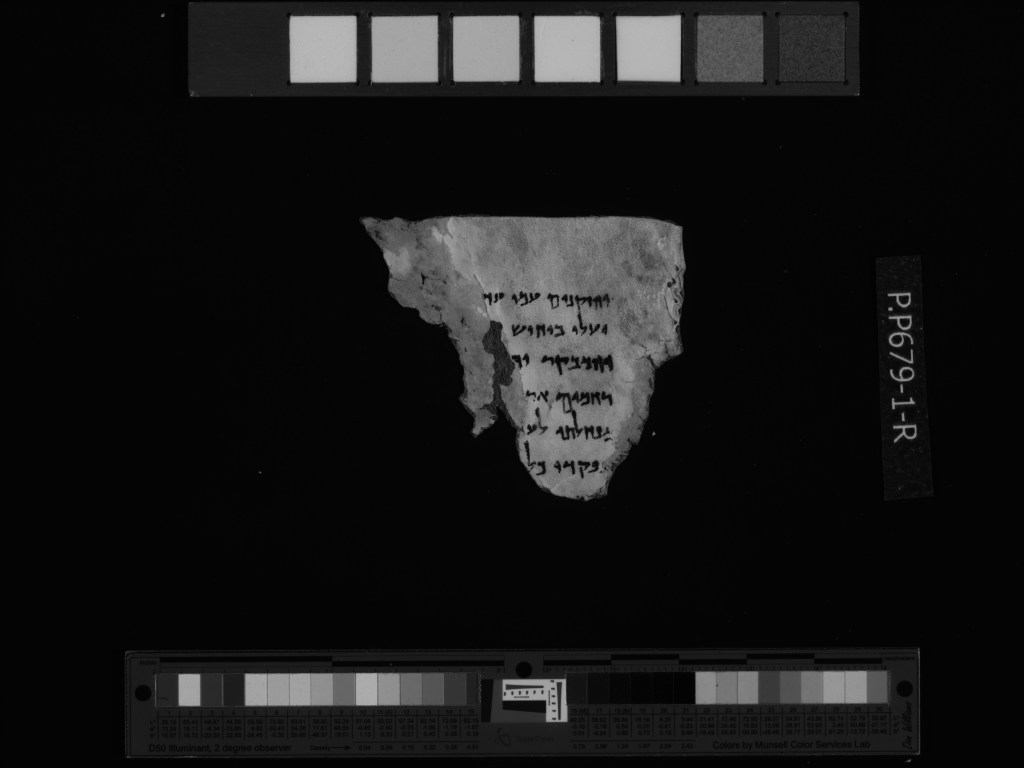
These three fragments constitute the only surviving copy of this text—unknown from any other ancient source, mentioned in no catalogue, cited by no church father. Reconstruction becomes educated guesswork, interpretation a careful dance between evidence and speculation. Scholars found their first clue in a simple phrase: “the third month.” Combined with references to ceremony and gathering, this temporal marker pointed toward a specific occasion—the festival of weeks, known in Jewish tradition as Shavuot. The connection deepens through another Dead Sea Scroll, the Damascus Document, which identifies this third-month festival as the mandatory yearly assembly of the yahad—the community itself. Members weren’t given a choice; this gathering was obligation, not invitation. What happened at this annual convocation? The fragments suggest this text served as a procedural manual, outlining rules and rituals for the ceremony likely held at Qumran itself. The gathering included multiple functions: the community assembled, new members underwent formal acceptance (mirroring procedures described in the Community Rule), and those who had strayed from righteousness faced public cursing—communal boundaries reinforced through both welcome and exclusion.
Detail Translation
Frg. 1
1 [… those wal]king on the paths of […]
2 […] those appointed by name […]
3 […] in the third month […]
4 […] And he shall answer and shall say: […]
5 […] … and nations in the lan[d …]
6 […] to them, and […]
7-8 […] … […]
Frg. 2
1 [… the pre]cept, and they shall be disciplined until the week […]
2 [… and] they [shall take pos]session of their inheritance, because he […]
3 [… me]n of truth and those who hate (unjust) gain […]
4 [… and they shall v]ow not to kill anyone […]
5 […] the judgment […]
6 […] to the place. […]
7 […] If he was […]
Frg. 3
1 and the elders with him until […]
2 and they shall go up by genealogy […]
3 The Inspector wi[ll curse … without]
4 mercy. Accurs[ed be …]
5 from his inheritance fore[ver …]
6 in his destru[ctive] visitation […]
7 […] … […]

